What to Know About Building a Great Off-Road Trailer
2025-04-12
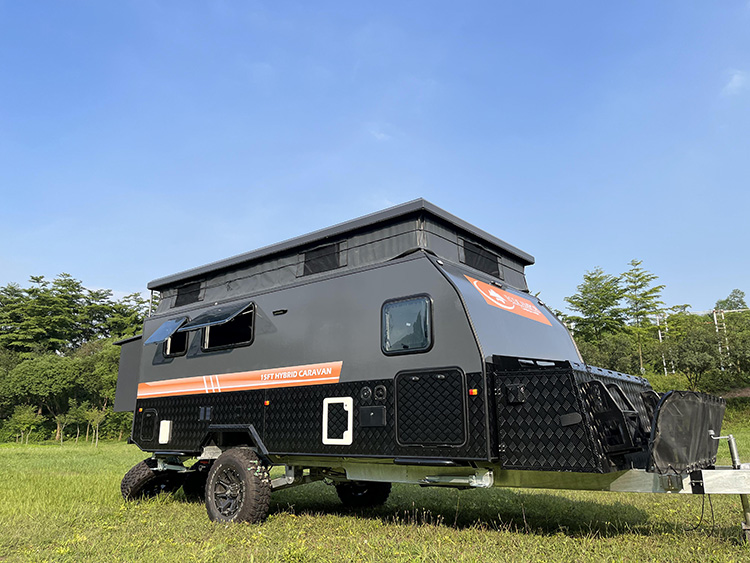
Building an off-road trailer is like creating the ultimate adventure companion. It needs to tackle rough terrains, remain durable, and cater to your camping preferences.
A sturdy foundation ensures reliability, while features like rugged suspension and clever storage solutions enhance its functionality.
Did you know the off-road trailer market, including RV Caravans and Truck Campers, hit $3.1 billion in 2023?
This surge is driven by the growing love for outdoor adventures and the rising popularity of RVs and Truck Campers.
Proper planning is crucial—choosing the right materials and paying attention to details ensures your trailer stands the test of time.
The off-road trailer market is projected to grow at an annual rate of 7.56% from 2024 to 2031, highlighting the demand for durable and innovative designs.
Whether you're navigating challenging trails or unwinding at a campsite, your off-road trailer should be prepared for anything.
Opting for lightweight materials and incorporating weather-resistant Caravan Accessories can make all the difference in your outdoor experience.
Key Takeaways
-
Pick a strong frame for your off-road trailer. Aluminum is light and resists rust, while steel is tough but needs care.
-
Go for a solid A-frame design. It keeps the trailer steady and spreads weight evenly, making it safer to tow on rough roads.
-
Use light materials like aluminum or composites for your trailer. These are strong and don’t add much weight.
-
Get a good suspension system. It softens bumps and keeps the trailer steady for a smoother ride.
-
Plan your power and water systems wisely. Solar panels and water filters can make camping off-grid easier.
Foundation and Frame Design
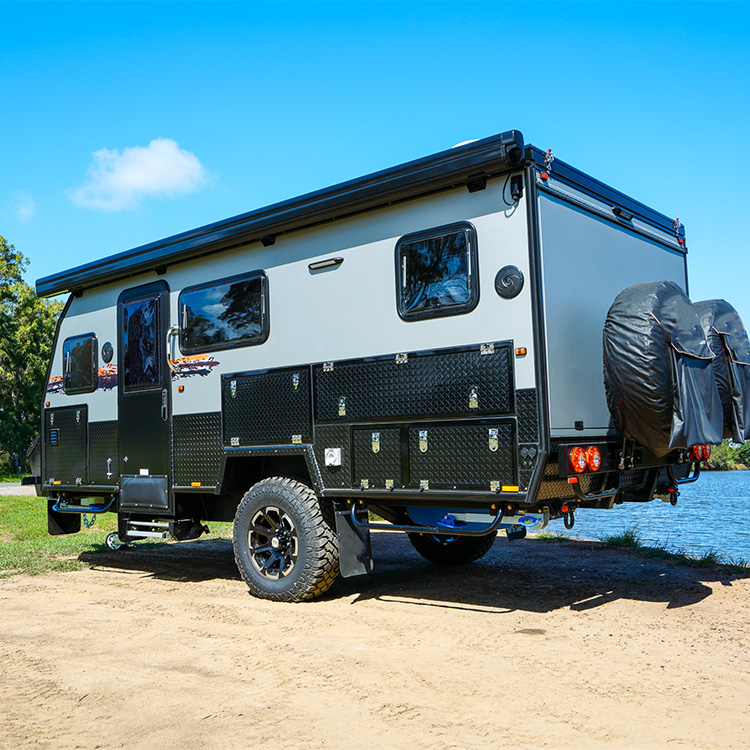
Picking the Best Chassis for an Off-Road Trailer
The chassis is the main support of your trailer. It holds everything together, so picking a strong one is key.
A tough chassis helps your trailer handle bumpy roads safely. Many off-roaders like aluminum chassis.
They are light, don’t rust, and last long, making them great for rough trips. Steel chassis are strong too but need care to stop rust and damage.
Think about your trailer’s weight and the terrain you’ll face when choosing a chassis.
A light but strong option makes towing easier and protects your vehicle. Also, waterproof the subfloor.
This keeps it from rotting and keeps the base solid, even in wet weather.
A-Frame Design for Strength and Balance
The A-frame design helps keep your trailer steady. It links the chassis to the hitch, spreading the weight evenly.
This makes towing smoother and safer. A good A-frame adds strength, keeping your trailer stable on rough paths.
For off-road use, pick an A-frame with strong joints and good welds. These features stop damage from bumps and shaking.
A sturdy A-frame also stops swaying, giving you better control while towing.
Top Materials for Light and Strong Trailers
The materials you choose affect how well your trailer works. Light materials like aluminum and composites are great for off-road trailers. They last long, are easy to care for, and don’t rust.
Here’s a simple material comparison:
|
Material Type |
Durability Rating |
Key Advantages |
|---|---|---|
|
Composites |
Long lifespan |
Easy care, strong but light |
|
Aluminum |
Moderate lifespan |
Doesn’t rust, lightweight |
|
Steel |
Short lifespan |
Cheap, but rusts easily |
Composites and aluminum are the best picks for a tough, easy-to-tow trailer. These materials handle tough conditions without adding extra weight.
Tip: Don’t use stick-frame construction. It can rot or get damaged by pests, which weakens your trailer over time.
Suspension and Ground Clearance
Suspension Systems for Any Terrain
Your trailer's suspension is key for rough trails. It helps handle bumpy paths and keeps your gear safe.
A good suspension absorbs shocks and stays steady on uneven ground.
Here’s why a strong suspension matters:
-
Works best when carrying 60% to 80% of its weight limit. For example, a 3,500-pound suspension works well with 2,100 to 2,800 pounds.
-
No through axles mean better ground clearance and control.
-
Strong steel parts last long, and rubber springs allow smooth movement.
For a smoother ride, try dual shock independent suspension. Each wheel moves on its own, making the ride more stable and comfy.
Shock Absorbers for Tough Trails
Shock absorbers are important for off-road trips. They reduce the bumps and impacts from rough paths. Not all shocks are the same, so choose wisely.
Here’s what to look for:
|
Feature |
Why It’s Important |
|---|---|
|
Protects against hard hits on rough trails. |
|
|
Works in Dust and Mud |
Keeps shocks working in dirty conditions. |
|
Tested for Repeated Use |
Ensures they last through constant stress. |
|
Smooth Compression and Rebound |
Makes the ride less bumpy and more comfortable. |
Good shocks help your trailer handle tough roads and keep your ride smooth.
Getting More Ground Clearance
Ground clearance helps your trailer avoid getting stuck on rocks or rough paths. It’s important for crossing streams or uneven trails.
To increase ground clearance:
-
Use a suspension without through axles for more space underneath.
-
Pick bigger tires to lift your trailer higher.
-
Don’t overload your trailer, as too much weight lowers clearance.
With the right setup, your trailer can handle any off-road trip with ease.
Hitch and Towing
Articulating Hitches for Off-Road Trailers
Using a fully articulating hitch makes towing easier. These hitches let your trailer move freely in all directions.
This is helpful for rough trails, steep hills, or tight turns. They improve the trailer's departure angle, so it can pass over rocks or dips without getting stuck.
You’ll notice smoother towing with less stress on your vehicle. These hitches protect your trailer and tow vehicle by handling off-road bumps better.
If you love rugged trips, getting one of these hitches is a smart choice.
Tip: Always check the hitch’s weight rating. It must match your trailer’s needs. Overloading can cause accidents or damage.
Weight Distribution for Safe Towing
Balancing weight is key for safe towing. Uneven weight makes steering and braking harder, especially on rough roads.
A weight distribution hitch spreads the load evenly between your vehicle and trailer. This improves control and keeps towing stable.
Here’s why weight distribution matters:
|
Evidence Type |
Description |
|---|---|
|
Weight Distribution Hitch Requirement |
Some trucks need weight distribution for trailers over 5,000 lb. |
|
Trailer Weight to Vehicle Weight Ratio |
If the trailer’s weight is over 50% of your vehicle’s weight. |
|
Steering and Stopping Difficulty |
Trouble steering or stopping while towing means weight isn’t balanced. |
Keep the trailer tongue weight at 10-15% of the trailer’s total weight. This prevents swaying and keeps towing steady.
Also, make sure your trailer’s weight is 15-20% less than your vehicle’s maximum capacity.
Matching the Camper Trailer to Your Vehicle
Pairing the right trailer with your vehicle is important for safety. First, check your vehicle’s tow rating.
This shows how much weight it can safely pull.
Here are some things to think about:
-
Check if your truck is 2WD or 4WD and its cab type.
-
Consider extra equipment and passenger weight, as they affect towing limits.
-
Look at the GVWR (Gross Vehicle Weight Rating) and GAWR (Gross Axle Weight Rating). These are on the driver’s door or in the manual.
Choosing the right trailer for your vehicle makes towing safer and smoother. It also keeps the trailer’s departure angle good for off-road trips.
Durability and Materials
Strong Exterior Materials for Tough Conditions
Picking the right materials for your off-road trailer is important. The exterior must handle bad weather, rough roads, and long-term use.
Many builders prefer aluminum. It’s light, doesn’t rust, and is strong for off-roading. Steel is also strong but heavier and needs care to stop rust.
Don’t use wood for the trailer’s body.
It may seem cheap, but it won’t last.
Wood can rot, bend, or attract bugs, making your trailer weaker. Instead, use tough materials like aluminum or composite panels. These materials keep your trailer strong and dependable on hard trails.
Tip: Make sure your materials are made for off-road use. Strong parts like springs and shocks also help your trailer stay durable.
Weather-Proof Coatings and Finishes
A good finish protects your trailer from weather and lasts longer. Choose coatings that resist rain, sun, and temperature changes. Some, like Tough Roof RV, are very durable and stick well, making them great for off-road trailers.
Here’s a simple coating comparison:
|
Brand |
Lasting Power |
Strength Test |
Sticking Power |
Flexibility |
Works On |
Cost |
|---|---|---|---|---|---|---|
|
Tough Roof RV |
Excellent |
Passed 80 ft Drop |
Excellent |
Over 1000% |
Most |
Moderate |
|
RV Roof Magic |
Good |
Passed 25 ft Drop |
Excellent |
600% |
Most |
Moderate |
|
Dicor |
Fair |
Failed 10 ft Drop |
Poor |
Cracked at 100% |
Primer Needed |
Cheap |
Pick a coating that fits your budget and protects well. A good finish keeps your trailer looking nice and safe from damage.
Making the Trailer Stronger for Long Use
To make your trailer last, start with a strong frame. Use aluminum or steel for the frame.
Check the welds and joints, as they can weaken over time. Add extra support in areas that take more stress.
Don’t forget about the suspension and base.
Use heavy-duty springs and shocks to handle rough roads. These parts absorb bumps and keep the trailer steady.
By strengthening these areas, your trailer will handle tough trips easily.
Note: Regular checks are as important as strong materials. Look for problems often and fix them early to avoid bigger issues.
Power and Storage
Off-Grid Power Solutions for Camper Trailers
When camping off-grid, having power is very important. Solar panels, inverters, and lithium batteries are great options.
They give clean energy and are easy to use. For instance, lithium iron phosphate (LiFePO4) batteries last over 4,000 charges.
This makes them a smart long-term choice.
Pairing these batteries with solar panels and energy monitors boosts efficiency to 96%. This is especially helpful in emergencies.
Here’s a simple comparison of off-grid power systems:
|
Model |
Flagstaff E-Pro |
Outback OBX |
|---|---|---|
|
Solar Panel |
220-Watt Roof Solar Panel |
|
|
Inverter |
1,800-Watt Inverter |
2,000-Watt Inverter |
|
Charge Controller |
30A Charge Controller |
30A Charge Controller |
For better power use, check these specs:
|
Specification |
Value |
|---|---|
|
Power Supply |
AC 120 Volt 60 Hertz |
|
Power Need for Coolzy Unit |
340 Watts |
|
Normal Operating Current |
3 Amps |
|
Starting Current |
14 Amps |
|
Inverter Peak Rating |
2100 Watts |
|
Steady Load Rating |
400 Watts |
With the right setup, your camper trailer can stay powered for days, even far from cities.
Water Storage and Filtration Systems
Water is as important as power when camping off-grid. A good system gives clean water for drinking, cooking, and cleaning.
Tecimer's mobile water purifiers are a great choice.
They use reverse osmosis to clean water from rivers or lakes. These systems can make up to 700 liters per hour. They meet US EPA and WHO safety standards, so the water is safe to use.
Here’s why these systems are great:
-
No chemicals are needed, except optional chlorination for storage.
-
They work on their own with a built-in generator.
-
They clean brackish or chemically dirty water.
If you camp off-grid, a good water system makes trips easier and safer.
Practical Loading and Organization Tips
Packing your trailer well saves time and stress. First, know your trailer’s weight limit. Overloading can make towing dangerous.
Spread weight evenly to stop swaying. Keep the center of gravity low to avoid tipping.
Here are some packing tips:
-
Use straps or nets to secure items.
-
Arrange items to reduce wind drag and save fuel.
-
Pick stackable containers to use space better.
Good organization helps you find things fast. Learning to pack well ensures you use all your trailer’s storage space.
Tip: Try load planning software to see the best way to pack your trailer.
Making a strong camper trailer starts with a tough base. A good suspension helps it handle rough trails easily.
Using strong materials and the right towing setup keeps it dependable. Smart power and storage choices make camping easier and more fun.
The off-road trailer market is growing fast. It’s expected to rise from $1.8 billion in 2023 to $3.2 billion by 2032. This shows more people want trailers ready for adventure.
With smart planning, you can build a trailer perfect for your trips.
FAQ
What is the most important feature of an off-road trailer?
Strength matters most. It must handle tough trails and weather. A solid frame, good suspension, and strong materials help it last.
How do I maintain my off-road trailer?
Check the frame, suspension, and hitch often for damage. Wash off dirt after trips. Use coatings to stop rust and protect it.
Can I build an off-road trailer on a budget?
Yes, you can! Use light materials like aluminum and reuse parts. Focus on basics like a strong frame and good suspension. Add extras later.
How much weight can an off-road trailer carry?
It depends on the build. Most hold 1,500 to 3,500 pounds. Check the maker’s guide and don’t overload it.
Do I need special tools to build an off-road trailer?
You’ll need basic tools like drills, welders, and saws. For advanced parts, rent or borrow special tools to save money.
See Also
Essential Factors to Consider for Folding Camping Trailers
Professional Advice on Selecting Off-Road Hybrid Caravans
Best Strategies for Choosing Off-Road Caravans in 2025
Three Essential Tips for Selecting Mini Trailers from China
Simplifying Off-Road Living with a 16-Foot Caravan