Pontoon Boat Care Tips Every Beginner Should Follow
2025-05-17
Pontoon Boat Care Tips Every Beginner Should Follow
Basic Pontoon Boat Maintenance Tips
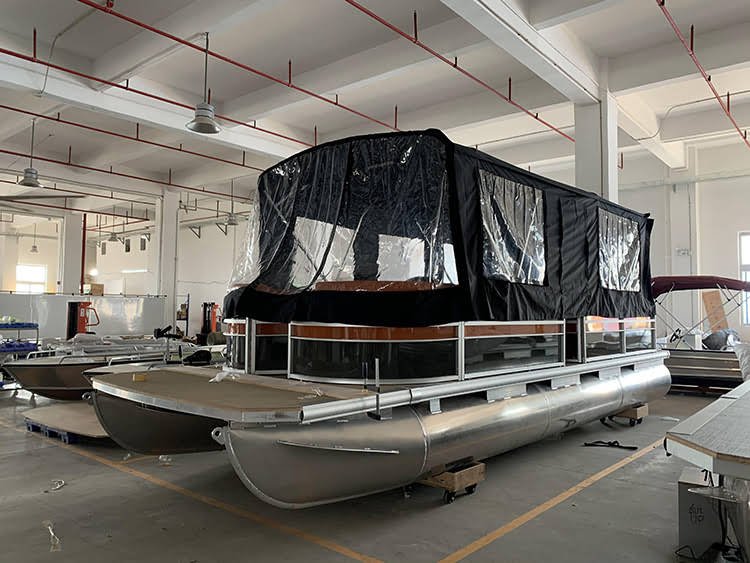
Taking care of your pontoon boat doesn’t have to be hard. With a few simple steps, you can keep your boat looking nice and working well for years. Here are some easy maintenance tips every beginner should follow.
Washing Your Pontoon Boat After Every Use
Clean your pontoon boat after each trip to protect it. Dirt, salt, and debris build up fast, especially in saltwater or muddy areas. Use gentle boat soap and a soft brush or sponge to clean the outside. Focus on the pontoons since they collect grime. Rinse with fresh water to remove soap and dirt. Regular cleaning stops rust and keeps your boat looking good.
Tip: If you’re in a hurry, clean the parts most exposed to water and dirt, like the hull and deck. This quick cleaning can prevent bigger issues later.
Drying Properly to Avoid Mold and Mildew
After cleaning, drying your pontoon boat is very important. Damp areas can cause mold and mildew, especially under seats or in storage spaces. Use a microfiber towel or chamois to dry all surfaces. Open compartments and let air flow inside. If possible, park your boat in sunlight to dry faster. Drying keeps your boat fresh and stops bad smells.
Note: Mold and mildew can harm your boat’s interior and make it less fun to use. Taking a few minutes to dry it can save you money on repairs.
Using Protective Coatings for UV and Water Resistance
Sunlight and water can damage your pontoon boat over time. Protective coatings help shield your boat from UV rays and water harm. Use marine-grade wax or sealants made for pontoon boats. These products prevent fading, cracking, and rust. Apply them to the outside surfaces, including the pontoons and deck. Follow the instructions for the best results.
Pro Tip: Reapply protective coatings every few months, especially if you use your boat often. This small task can help your boat last longer.
By following these basic maintenance steps, your pontoon boat will stay in great shape. You’ll enjoy safer and smoother trips on the water. A clean, well-cared-for boat is always ready for your next adventure!
Key Takeaways
-
Clean your pontoon boat after every use to prevent dirt and grime buildup. This simple step keeps your boat looking good and protects it from rust.
-
Dry your boat thoroughly after cleaning to avoid mold and mildew. Use a microfiber towel and let air circulate in compartments to keep your boat fresh.
-
Regularly check your boat's seats, flooring, and hull for damage. Early detection of issues can save you from costly repairs later.
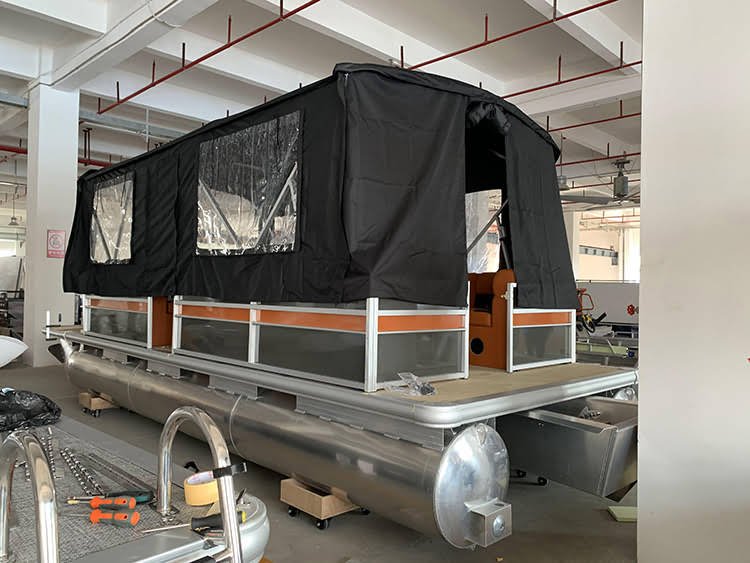
Routine Boat Maintenance for Beginners
Taking care of your pontoon boat means more than just cleaning. Regular maintenance keeps it safe, working well, and ready for fun. Here are some important areas to check often.
Checking Seats, Flooring, and Hull for Problems
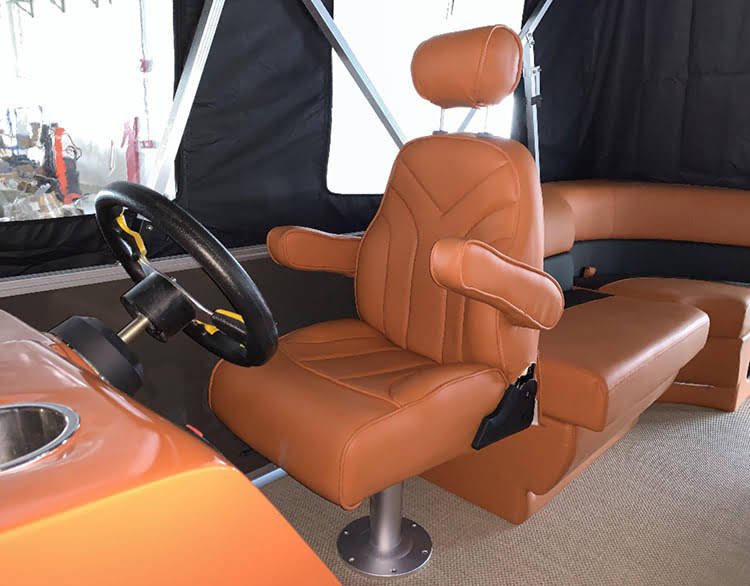
Seats, flooring, and the hull face a lot of use. Check them often to find small problems before they get worse. Look for cracks, rips, or fading on the seats. Damaged seats can soak up water and grow mold. For the flooring, watch for soft spots or peeling. These might mean water damage underneath.
The hull is the main part of your boat. Scratches, dents, or rust on the hull can hurt safety and performance. Run your hand over it to feel for anything unusual. Fix any issues as soon as you notice them.
Tip: Keep a small repair kit on your boat. It’s handy for quick fixes when you’re out on the water.
Inspecting Electrical Systems and Wires
Your boat’s electrical system powers lights and tools. A quick check can stop problems before they happen. Start with the battery. Make sure it’s charged and clean. Wipe off any dirt or rust on the terminals. Test all lights, like navigation and inside lights. Replace any that don’t work.
Look at the wires for damage or loose ends. Focus on areas near water. Broken wires can cause bigger issues, so don’t ignore them. If you’re unsure, ask a professional for help.
Pro Tip: Use special grease on wires to stop rust. This easy step helps your boat’s electrical parts last longer.

Watching Engine Oil and Fluids
The engine is the heart of your pontoon boat. Checking oil and fluids often keeps it running well. Before each trip, check the oil level. Low or dirty oil can harm the engine. Use the dipstick to see if the oil is at the right level. Change it if it looks dirty.
Don’t forget other fluids like coolant and hydraulic fluid. These are also important for your boat to work properly. Add more if needed. Regular checks can stop engine problems and save money on repairs.
Reminder: Follow a schedule for oil changes. Most experts say to change it every 50-100 hours of use, depending on your engine.
By doing these simple checks, your pontoon boat will stay in great shape. Regular care makes your boat last longer and keeps your trips safe and fun.
Seasonal Pontoon Maintenance Essentials
Taking care of your pontoon boat during seasonal changes is important. It helps keep your boat in great condition. Whether getting ready for winter or summer, these tips will help protect your boat and ensure smooth rides.
Winterizing Your Pontoon Boat
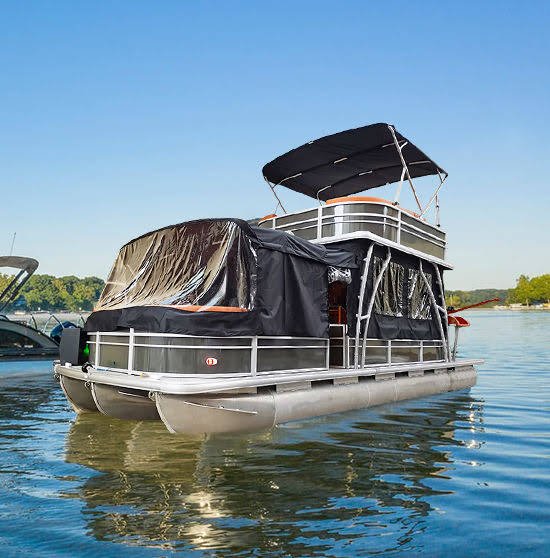
Winterizing is a must if you live in cold areas. Freezing weather can harm your boat’s engine and plumbing. First, drain all water from the engine and plumbing to stop freezing. Add antifreeze to protect the inside parts. Clean the outside to remove dirt and salt that can cause rust. Cover your boat with a strong tarp to protect it from snow and ice.
Tip: If you can, store your boat in a dry, covered spot. This keeps it safe from bad weather until spring.
Preparing the Boat for Summer Use
Before summer, get your boat ready for fun trips. Make a checklist to stay organized. Look at the hull for cracks or dents. Check the seats and flooring for damage. Test the lights and battery connections. Clean the pontoons and add protective coatings to block UV rays. Also, check the engine oil and fluid levels.
Reminder: Change old fluids and filters to keep the engine healthy. A quick tune-up can prevent problems later.
Managing Fuel Systems and Using Stabilizers
Fuel systems need care when seasons change. Old fuel can hurt the engine, so drain it before winter. Add a fuel stabilizer to keep the fuel fresh during storage. Before summer, fill the tank with new fuel. Check for leaks or damage in the fuel lines. Taking care of the fuel system helps your boat run well.
Pro Tip: Use ethanol-free fuel if you can. It lowers moisture buildup and makes the engine work better.
By following these seasonal care tips, your pontoon boat will stay in top shape all year. Whether winterizing or summerizing, these steps make boating safer and more enjoyable.
Tools and Products for Pontoon Boat Care
Taking care of your pontoon boat gets easier when you have the right tools and products. Whether you’re cleaning, inspecting, or preparing for your next boating adventure, having a solid checklist of essentials can save you time and effort. Let’s dive into the must-haves for first-time pontoon boat owners.
Must-Have Cleaning Supplies for Pontoon Boats
Keeping your pontoon clean is key to maintaining its look and performance. Start with a good-quality marine soap. It’s gentle on your boat’s surfaces but tough on dirt and grime. A soft-bristle brush and a microfiber cloth are perfect for scrubbing and drying without scratching. Don’t forget a hose with a spray nozzle for rinsing off soap and saltwater. For stubborn stains, a pontoon cleaner designed for aluminum or vinyl works wonders.
Tip: Add a bucket and sponge to your cleaning kit. They’re handy for quick touch-ups after a day on the water.
Essential Safety Gear for First-Time Owners
Safety equipment is non-negotiable when it comes to boating. A life jacket for every passenger is a must. Keep a fire extinguisher on board and make sure it’s easy to access. A first-aid kit is another essential item. You’ll also need a whistle or air horn for signaling and a throwable flotation device in case of emergencies. Navigation lights and a waterproof flashlight are crucial for low-light conditions.
Checklist:
Life jackets
Fire extinguisher
First-aid kit
Whistle or air horn
Throwable flotation device
Navigation lights
Having these items ensures you’re prepared for any situation on the water.
Maintenance Tools for Routine Inspections
Routine maintenance keeps your pontoon in top shape. A basic toolkit with screwdrivers, wrenches, and pliers is a great start. Add a tire pressure gauge to check trailer tires and a multimeter for testing electrical systems. A grease gun is useful for lubricating moving parts, while a small flashlight helps you inspect hard-to-see areas. Keep a spare set of fuses and a roll of duct tape for quick fixes.
Pro Tip: Store your tools in a waterproof box to protect them from rust and water damage.
With these tools and products, you’ll be ready to handle cleaning, safety, and maintenance tasks like a pro. A well-prepared boat means more time enjoying the water and less time worrying about repairs.
See Also
Essential Guidelines for Selecting Your Ideal Pontoon Boat
Best Advice for Angling with a 15-Foot Pontoon
Five Compelling Reasons to Love a Pontoon Boat
Choosing the Right Pontoon Tube for Your Requirements
Key Advice for Picking the Best Fishing Boat